What Is the Best Fence for Dogs? A Georgia Homeowner’s Guide by Dog Size and Behavior
Quick answer: The best dog fence depends on the dog—not just the yard. Size, jumping ability, climbing, digging, reactivity, visibility, and picket spacing should determine the fence material, height, ground clearance, and gate design. No fence should replace supervision for a dog known to escape.
Homeowners often search for one universal answer: wood, vinyl, chain-link, or aluminum. In reality, a calm small dog has different needs from a powerful jumper, a narrow-bodied puppy, or a reactive dog that becomes overstimulated by people and animals outside the yard.
How Tall Should a Fence Be for a Dog?
Quick answer: Fence height should reflect the dog’s adult size, jumping ability, climbing habits, and what is outside the fence. Many medium or large dogs need a taller barrier than small, non-jumping dogs. Local and HOA height restrictions must also be checked.
Breed can be a clue to help you pick the best fence for your dogs, but individual behavior matters more. Some athletic dogs clear barriers that seem tall enough; others never attempt to jump. Avoid placing benches, firewood, planters, or play equipment near the fence if they can become launch points.
Which Fence Is Best for Dogs That Bark at People or Other Dogs?

Quick answer: A solid privacy fence can reduce direct sightlines and may lower visual triggers. Wood and solid vinyl are common options. However, some dogs still react to sounds or scents, so fencing should be part of a broader behavior and supervision plan.
Open aluminum or chain-link fencing preserves visibility, which can be helpful for homeowners who want an open view. For a reactive dog, that same visibility may increase pacing or barking. The right design balances the dog’s behavior with airflow, appearance, HOA rules, and the homeowner’s privacy goals.
What Fence Works for Small Dogs?

Quick answer: Small dogs need close attention to picket or mesh spacing, gaps below the fence, gate clearances, and changes in grade. A fence can be tall enough yet unsafe if a small dog can squeeze underneath or between openings. For smaller dogs or dogs that dig, we often suggest a no-dig wire like shown above. You also have the option of adding puppy pickets at the bottom for added security as shown below.

Ask the installer to review low spots, drainage swales, transitions, and gates. Puppies grow, but early gaps still matter. Decorative openings that look minor to a homeowner can be meaningful to a determined small dog.
What About Dogs That Dig Under Fences?
Quick answer: Small dogs need close attention to picket or mesh spacing, gaps below the fence, gate clearances, and changes in grade. A fence can be tall enough yet unsafe if a small dog can squeeze underneath or between openings. For smaller dogs or dogs that dig, we often suggest a no-dig wire like shown above. You also have the option of adding puppy pickets at the bottom for added security as shown below.
Avoid improvised underground additions without checking utilities and drainage. In Georgia clay, water movement and soil conditions matter. Supervision, enrichment, and addressing the reason for digging are important because a determined dog may simply move to a new section. Adding no-dig wire along the bottom of your fence could be the best fence for dogs that enjoy digging.
Wood, Vinyl, Chain-Link, or Aluminum for Dogs?

1. Wood Privacy Fence
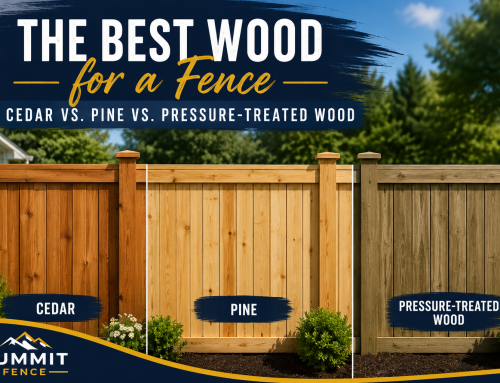
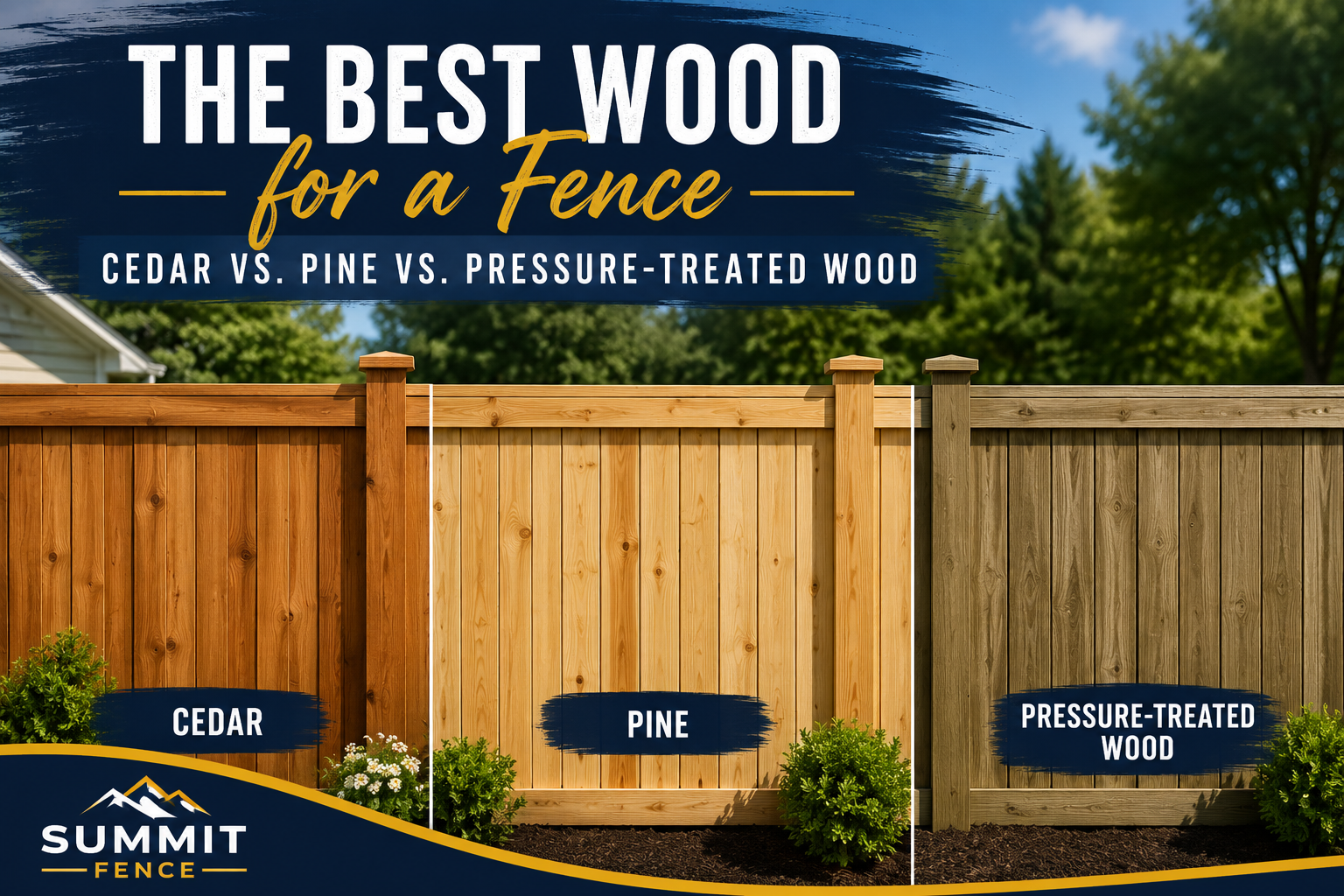
Wood provides a solid visual barrier and can be customized in height and style. It requires periodic maintenance and should be checked for loose boards, rot, gaps, and digging at the base.
2. Vinyl Privacy Fence
Vinyl offers privacy and low routine maintenance. Proper posts and gates matter, and impact resistance should be discussed for powerful dogs or high-traffic areas.
3. Chain-Link Fence
Chain-link provides visibility and practical containment at a value-oriented price. Small-dog mesh options, height, top and bottom security, and climbing behavior should be considered.
4. Aluminum Fence
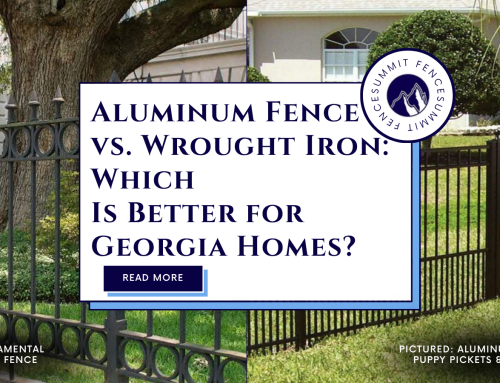
Aluminum offers an attractive open design, low maintenance, and good visibility. Choose height and picket spacing for the dog. It may not be the best match for small escape artists or dogs that need blocked sight-lines unless the design is adapted.
What Makes a Dog Fence Gate Secure?
Quick answer: A secure gate needs appropriate width, reinforced posts, dependable hinges and latches, controlled ground clearance, and a location that does not encourage door-dashing. Household members must close and latch it consistently.
Many escapes happen at gates, not fence panels. Consider lawn equipment, trash cans, strollers, and daily walking routes before choosing gate width and placement. A double-gate or secondary containment area may help in some high-traffic yards.
Dog Fence FAQ
Is an invisible fence enough for a dog?
An electronic boundary does not create a physical barrier and does not keep other animals or people out. Suitability depends on the dog, training, property, and homeowner’s risk tolerance. Discuss physical fencing when containment and access control are priorities.
Can a dog climb a chain-link fence?
Some dogs can climb chain-link. Height alone may not stop a skilled climber, so behavior, supervision, fence design, and professional recommendations matter.
Can aluminum fencing contain a large dog?
It can when the fence grade, height, picket spacing, posts, gates, and dog behavior are appropriate. Tell the estimator the dog’s size and escape history.
Get a Dog Fence Designed for Your Property
The best fence is the one that fits your yard, daily routine, safety needs, and long-term plans. Summit Fence installs aluminum, wood, vinyl, chain-link, privacy, pool, and custom fencing throughout Greater Atlanta.
Request a free fence estimate online or call 770-334-6964 to discuss your project.
Not sure which fence is right for your dog? Learn more about the best fence for dogs in Georgia:
Our team is happy to explain the pros and cons of each material, answer your questions, and recommend the option that best fits your situation.
If you’re in Marietta, Canton, Acworth, Kennesaw, Woodstock, or any nearby North Atlanta suburb, contact us today to get started on the fence assessment process.
Call us at 770-334-6964 or request a free quote today. We’d love to install a fence that makes your Atlanta home or community stand out while keeping people safe. View our Facebook or Instagram pages to see examples of the types of fences we have installed.